We Need Each Other: The Power of Community on Our Healing Journey
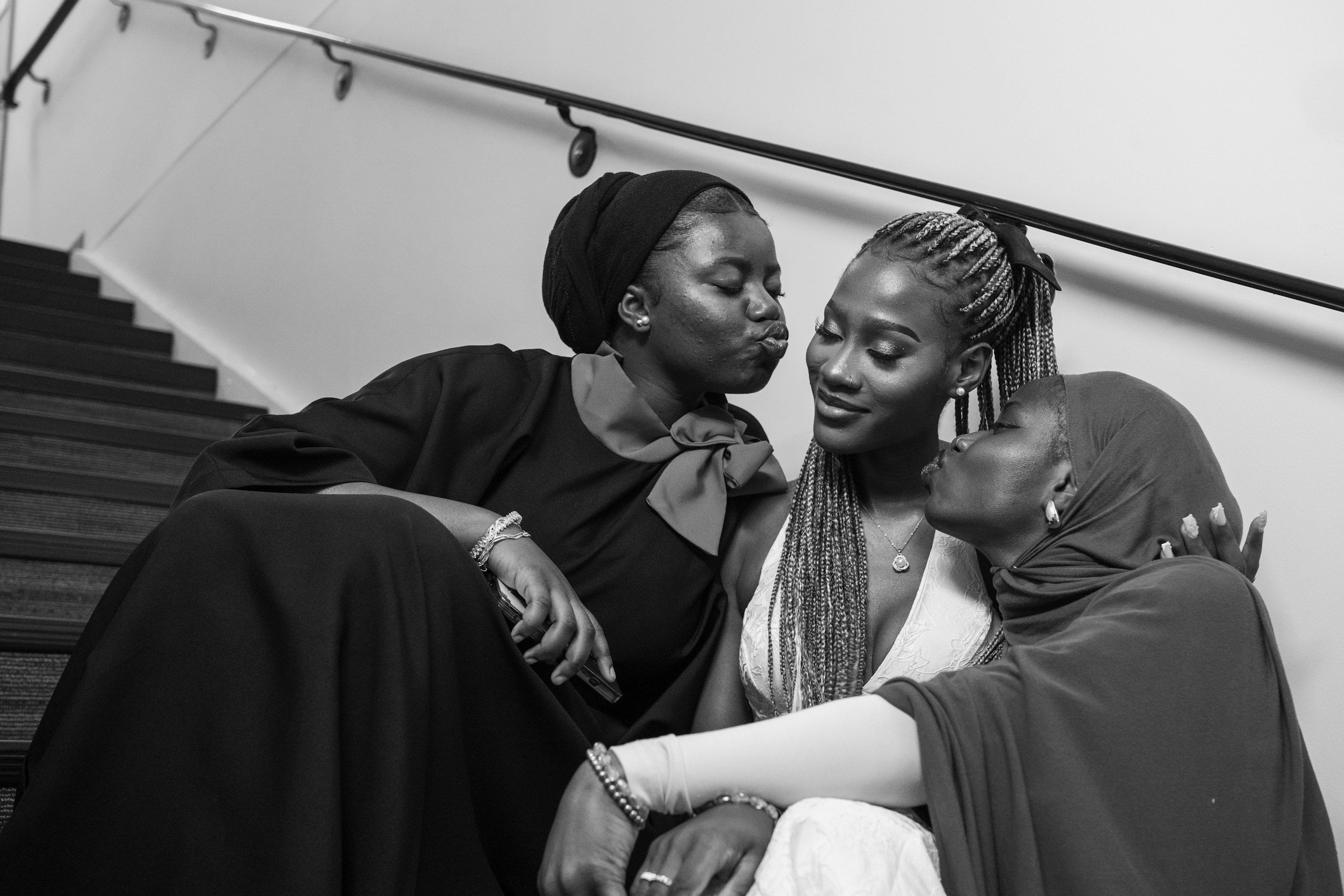
We Were Never Meant to Do Life Alone
One of the greatest misconceptions in our culture is that strength means independence.
We're encouraged to "figure it out ourselves," "protect our peace," and "never need anyone." While healthy boundaries are essential, our culture often celebrates radical individualism to the point where dependence on others is viewed as weakness.
At the same time, we live in an era of quick judgments and rapid disconnection. One disagreement, disappointment, or misunderstanding can end years of friendship. Social media has normalized "canceling" people rather than working through conflict, leaving many of us feeling increasingly isolated despite being more connected digitally than ever before.
At Melanated Healing, we believe healing happens in relationship.
We need each other—physically, emotionally, and spiritually.
Community reminds us that we don't have to carry life's burdens alone.
Healing Happens in Connection
Research consistently shows that healthy relationships are one of the strongest predictors of emotional well-being, resilience, and even physical health. We heal when we are seen, supported, challenged, and loved by others.
Whether it's family, trusted friends, a spouse, a church community, or a therapist, meaningful relationships help us:
Regulate difficult emotions
Navigate grief and loss
Celebrate milestones
Receive perspective during difficult seasons
Experience belonging
Remember who we are when life feels overwhelming
Healing isn't only about looking inward. It's also about allowing others to walk beside us.
Relationships Are Beautiful—and Hard
If we're honest, the people we love the most are often the ones who have hurt us the most.
Not always because they're malicious.
Sometimes because they're human.
Our loved ones won't always get it right.
Neither will we.
Every lasting relationship is filled with moments that require humility, honest conversations, forgiveness, patience, and grace. The friendships, marriages, and families we admire didn't become strong because they avoided conflict—they became strong because people chose to work through it.
Behind every relationship that has endured for years are countless moments of:
Misunderstandings
Difficult conversations
Vulnerability
Sacrifice
Forgiveness
Choosing connection over pride
Healthy relationships aren't perfect.
They're committed.
The Difference Between Boundaries and Disconnection
Choosing community doesn't mean tolerating harmful behavior or sacrificing your well-being.
Healthy relationships include healthy boundaries.
Sometimes boundaries create the space necessary for healing.
Sometimes reconciliation is possible.
Sometimes it isn't.
There are relationships marked by abuse, manipulation, chronic dishonesty, or repeated harm where distance is the healthiest and safest choice.
Forgiveness does not always require reconciliation.
Protecting yourself from ongoing harm is not a failure of love.
Instead, it's an act of wisdom.
Discernment is one of the most important parts of emotional health.
Community Requires Courage
Building meaningful relationships asks something of all of us.
It asks us to:
Be vulnerable.
Admit when we're wrong.
Extend grace.
Receive correction.
Ask for help.
Offer support.
Stay present when relationships become uncomfortable.
These are not easy practices.
Yet they are often the very places where healing grows.
Community stretches us because it reveals parts of ourselves we cannot always see alone. Relationships invite us to practice patience, empathy, accountability, and compassion in ways isolation never can.
A Faith Perspective
From the very beginning of Scripture, we see that God created humanity for relationship.
"It is not good for the man to be alone." (Genesis 2:18)
The early church modeled lives deeply rooted in community—sharing meals, encouraging one another, praying together, carrying burdens together, and celebrating together.
We were created to belong.
While relationships can be painful, they are also one of God's primary ways of growing us, comforting us, and reminding us that we are not alone.
Reflection Questions
Take a moment to reflect:
Who are the people you can call when life feels heavy?
Are there relationships that need repair through an honest conversation or forgiveness?
Have you been protecting yourself from future hurt by withdrawing from healthy connection?
Where might you need stronger boundaries?
How can you intentionally invest in your community this week?
Healing often begins with small acts of connection.
A Resource We Recommend
If you're looking to strengthen your relationships, we recommend:
The Relationship Cure by Dr. John Gottman
This practical, research-based book explores how everyday moments of connection shape healthier relationships and offers simple strategies for improving communication, repair, and emotional closeness. While often associated with couples, its principles apply to friendships, family relationships, and everyday interactions as well.
You Don't Have to Do It Alone
Relationships are both one of life's greatest gifts and one of its greatest challenges.
They require commitment, forgiveness, humility, and selflessness. They ask us to show up for one another, even when it's difficult. While not every relationship can or should continue after harm, healthy connection remains an essential part of healing.
If you're struggling with conflict, family dynamics, loneliness, grief, or difficult decisions about a relationship, therapy can provide a supportive space to gain clarity, process your experiences, and move forward with confidence.
Need support? Contact Melanated Healing to schedule a consultation and discover how therapy can help you cultivate healthier relationships—with others and with yourself.